What Is a Discreet Messaging App?
A plain definition of discreet messaging, how it differs from privacy and encryption, and what it can and cannot do.
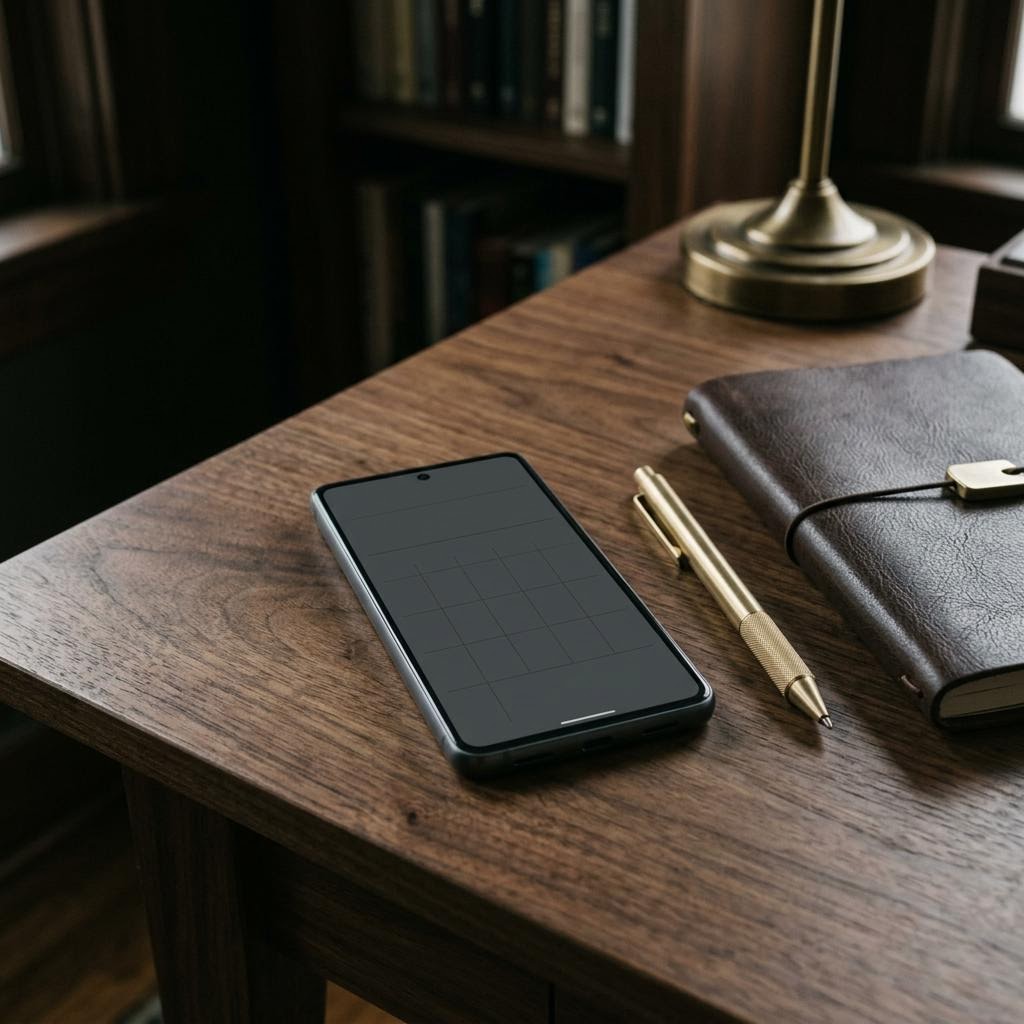
A discreet messaging app is one designed to keep a conversation from drawing attention on the device where it happens. Unlike a messenger built for speed and recognizability, it treats the screen, the alerts, and the entry point as part of the privacy problem.
The useful question is not simply whether an app calls itself private. It is which parts of using it remain visible, and to whom.
Privacy, encryption, and discretion
These words are often used as if they mean the same thing. Privacy is about what information is collected and who can see it. Encryption is a technical method that protects content in transit or storage, and end-to-end encryption restricts it to the participants. Discretion is about what a person nearby can notice.
An app can offer any of the three without the others. A fully encrypted messenger with obvious alerts is private but not discreet. A camouflaged messenger can be discreet without being end-to-end encrypted. See what hidden really means for how these layers differ.
Why device appearance matters
Exposure does not always involve a technical attack. Someone glancing at a home screen, an open tab, or the first screen after unlock can recognize a messenger. A discreet app tries to make that first impression ordinary.
Why notifications matter
A banner with a name and a preview exposes content with no hacking at all. Discreet tools reduce that with neutral wording, and good ones remind you to check device-level settings, because those can override the app.
Why app naming and icon visibility matter
The name and icon can be visible on a home screen, launcher, or taskbar. Some products let you restyle the entry point. Others open into a functional everyday interface, so opening the app does not immediately reveal a messenger. Installed names and icons can be cached by the browser or operating system; changing an appearance setting does not guarantee that an existing installation updates immediately.
Why quick-exit behavior can matter
Privacy sometimes needs a fast response when someone walks in. A single action that returns to an ordinary screen, or conceals the messenger when you switch away, can be more reliable than trying to close things manually under pressure.
Why discretion is contextual
A shared tablet, a workplace computer, and a busy family home create different privacy needs. Decide which surface and which observer matter in your situation, then check the actual device behavior. Discretion is not anonymity, and a tool suitable for a casual glance is not necessarily suitable for a monitored device.
Who may benefit
Many people have everyday reasons to separate conversations from their device's visible surface.
The common thread is not secrecy for its own sake but control over what appears on a screen.
- Long-distance couples with different schedules.
- People in consensually non-monogamous relationships.
- Anyone using a shared or family device.
- People who want personal chats away from work screens.
- Anyone who values quiet in a busy household.
What these tools cannot guarantee
A discreet app cannot stop a recipient from copying or photographing what they see. It cannot protect you if someone else controls your device or accounts, and it cannot remove activity from backups or logs outside the app. Notifications can still show that something happened. Any promise of total secrecy should make you cautious.
How AsidePocket approaches the problem
AsidePocket is a discreet messenger designed to hide in plain sight. It opens into an everyday camouflage shell and reveals the messenger after a hidden gesture and PIN. A quick conceal action returns you to the shell, connections are approved, and notifications are designed to omit sender names and message text.
It is not end-to-end encrypted. Messages sync through the service over HTTPS/TLS, with server-side encryption for stored data, and the privacy policy describes the boundaries. Browse the features and the FAQ for specifics, and see our criteria for private couples messaging if you are weighing options.